Project Overview & Brief
How do you make local World War II history matter to a generation that experiences formal commemorations as distant and outdated?
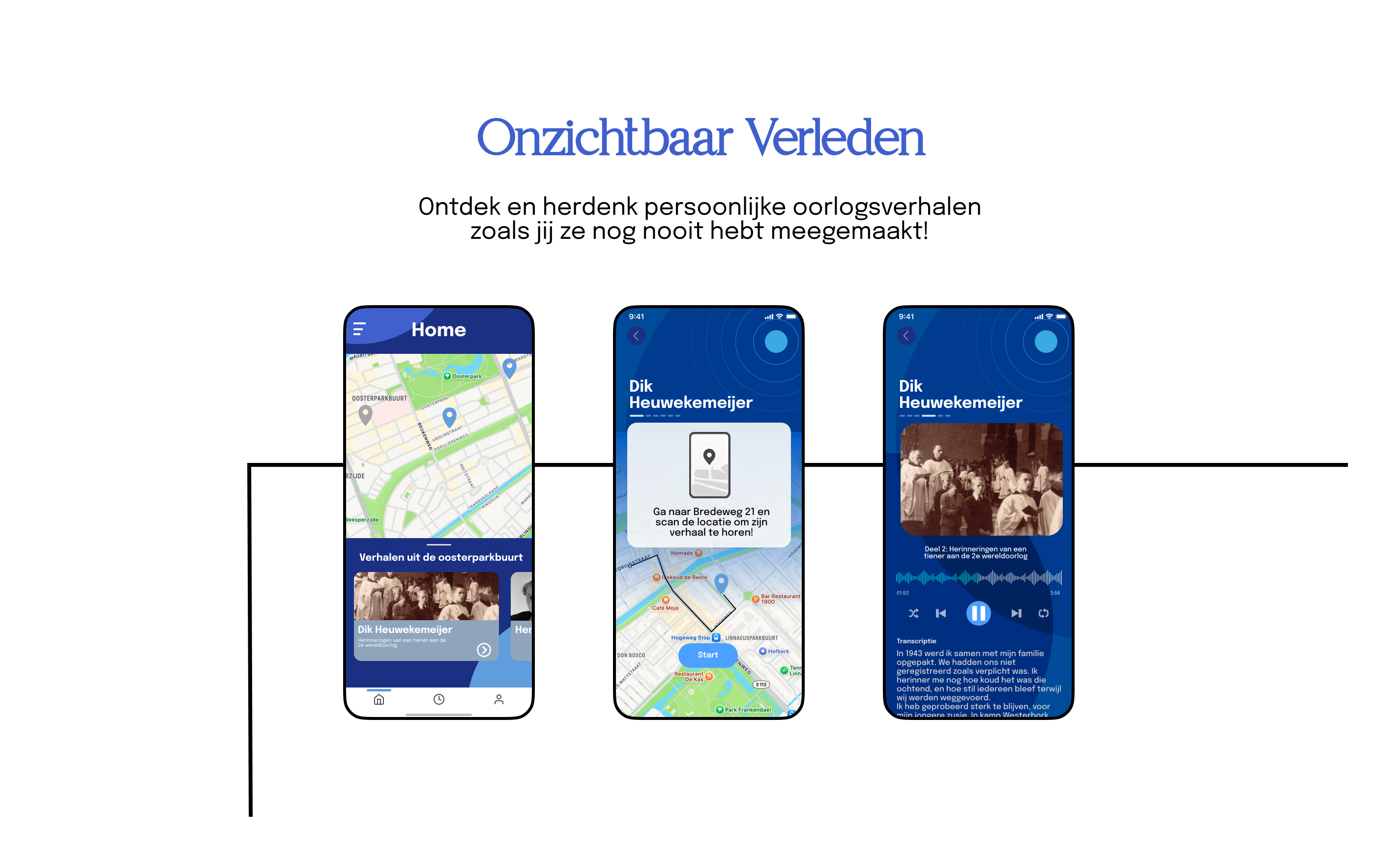
Commissioned as a graduation project for the 4 & 5 May Committee of the Oosterparkbuurt in Amsterdam, Onzichtbaar Verleden is an interactive, location-based mobile experience. Out of 2,800 Jewish residents deported from the neighbourhood, individual stories risk fading into cold statistics. This application bridges that gap by connecting youths (ages 15–25) directly to personal testimonies from peers who lived right around the corner.
Research & User Insights
Conducting fieldwork at local sites like the Metis Montessori monument and interviewing youths (ages 16–25) revealed core behavioral patterns.
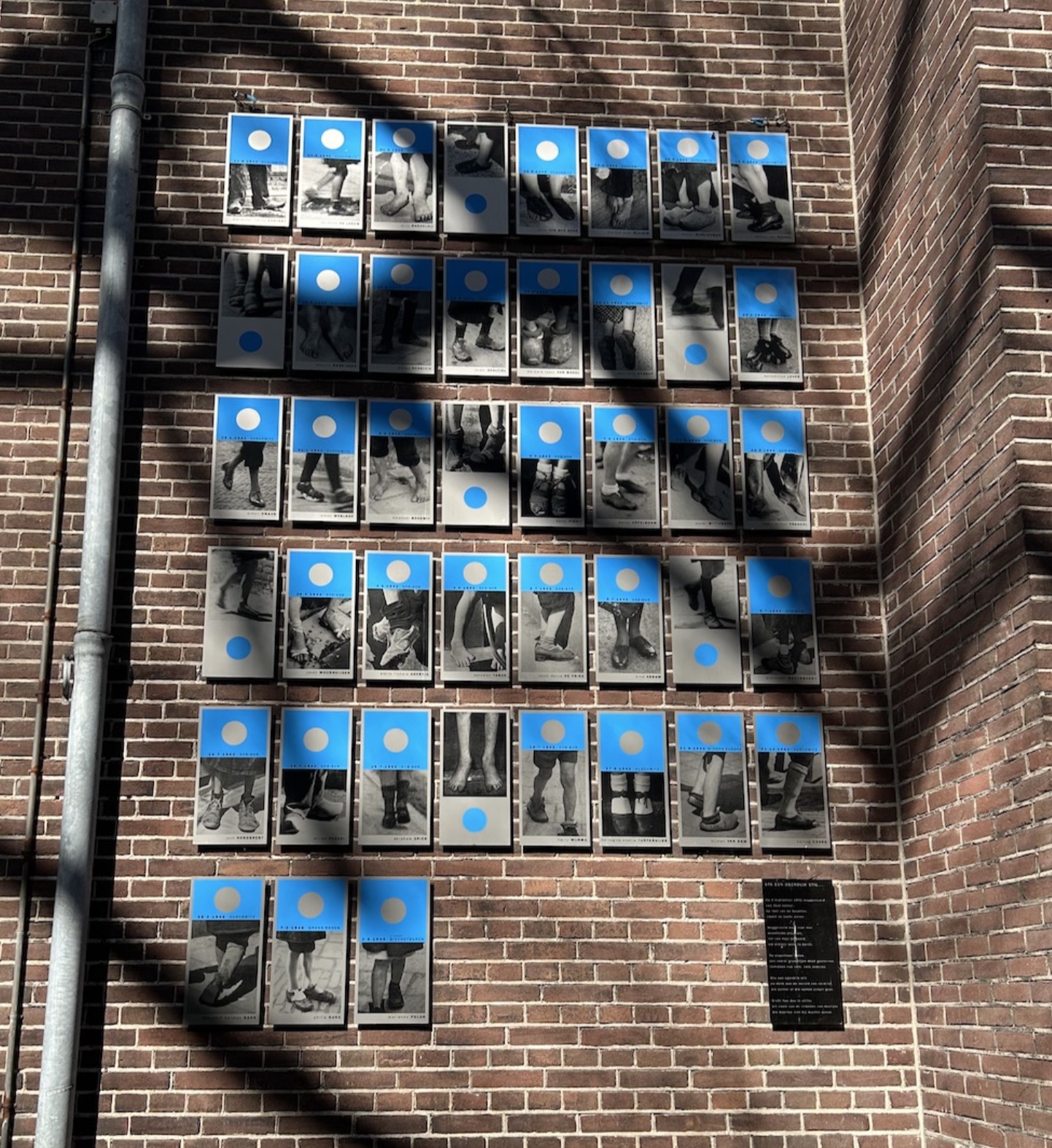
Fieldwork at Metis Montessori Monument
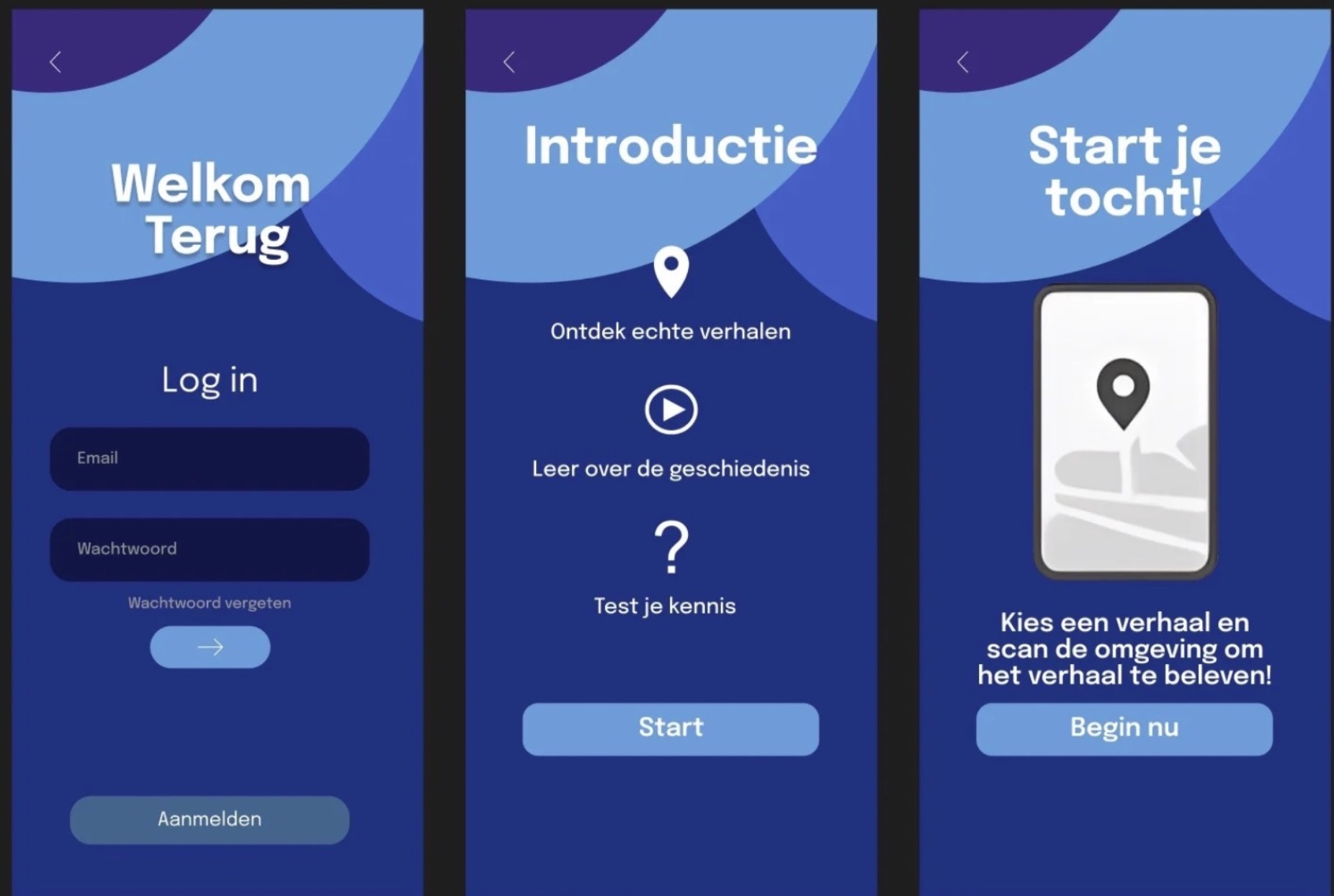
Early Visual Styling & Tone Iteration
Direct feedback from user validation & interviews:
"I know 4th of May is important, but formal speeches feel distant. It doesn't feel like it's about people like me."
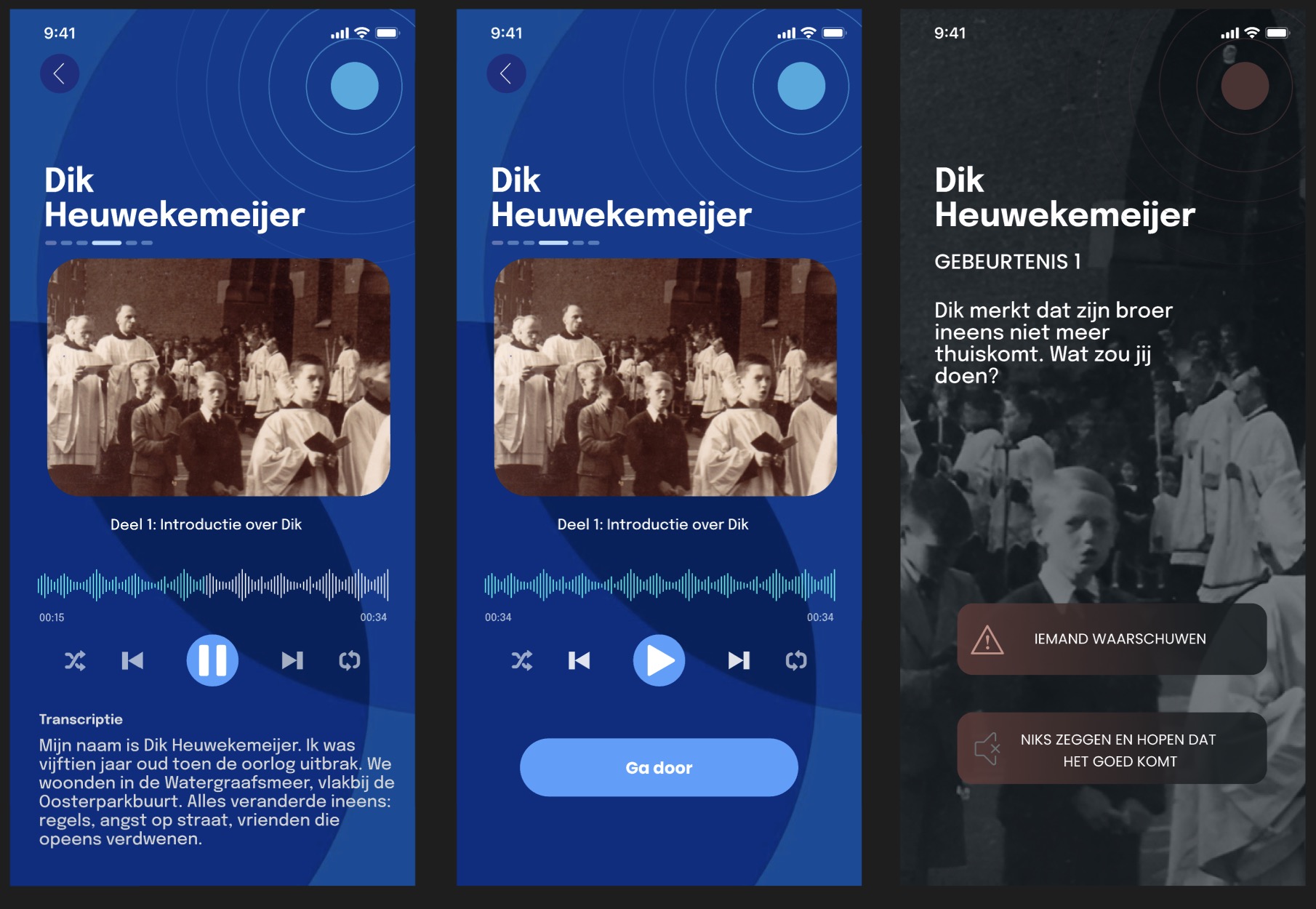
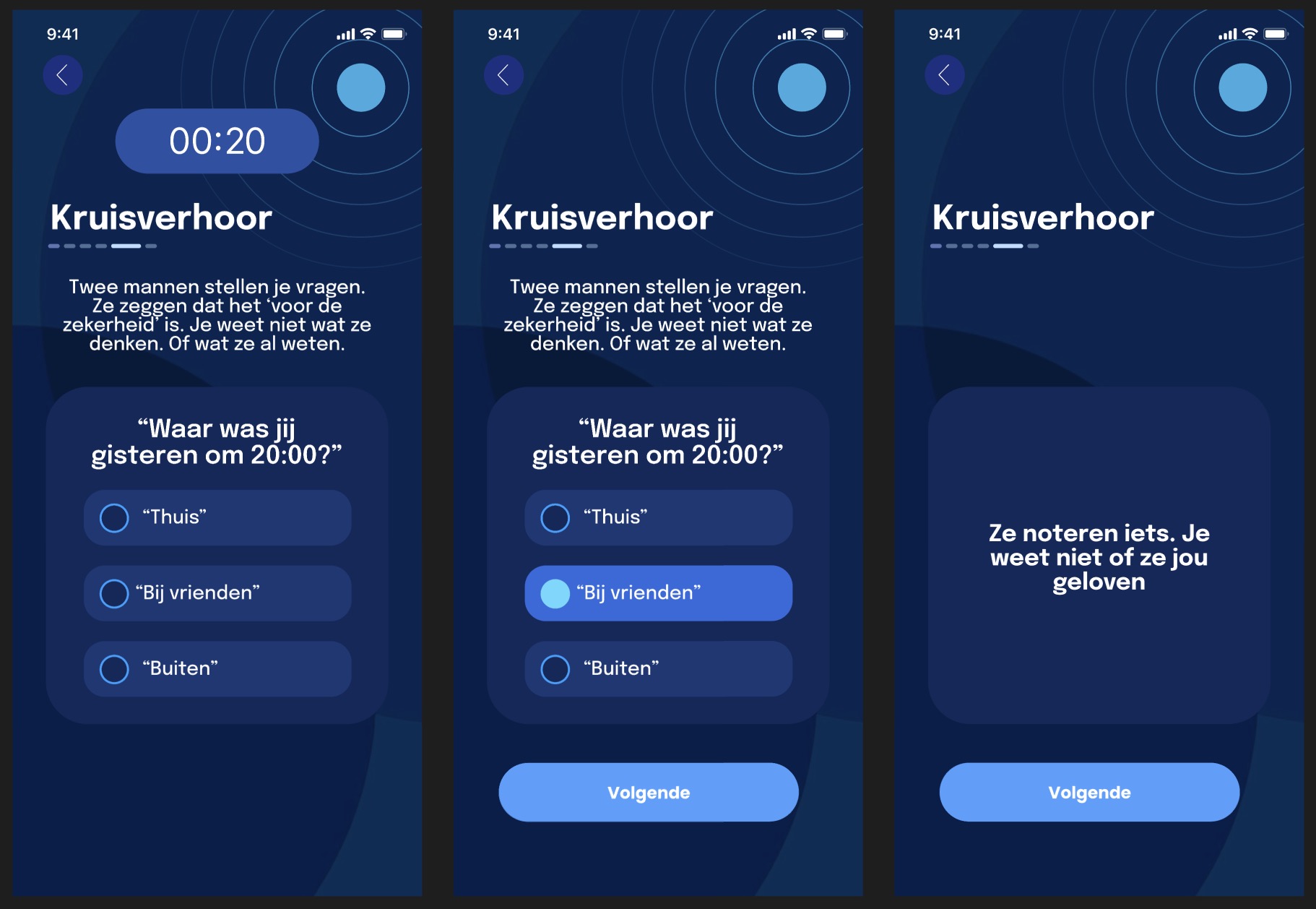
"The moral cross-examination made me tense. Even though it's an app, you feel the pressure of not knowing who to trust."
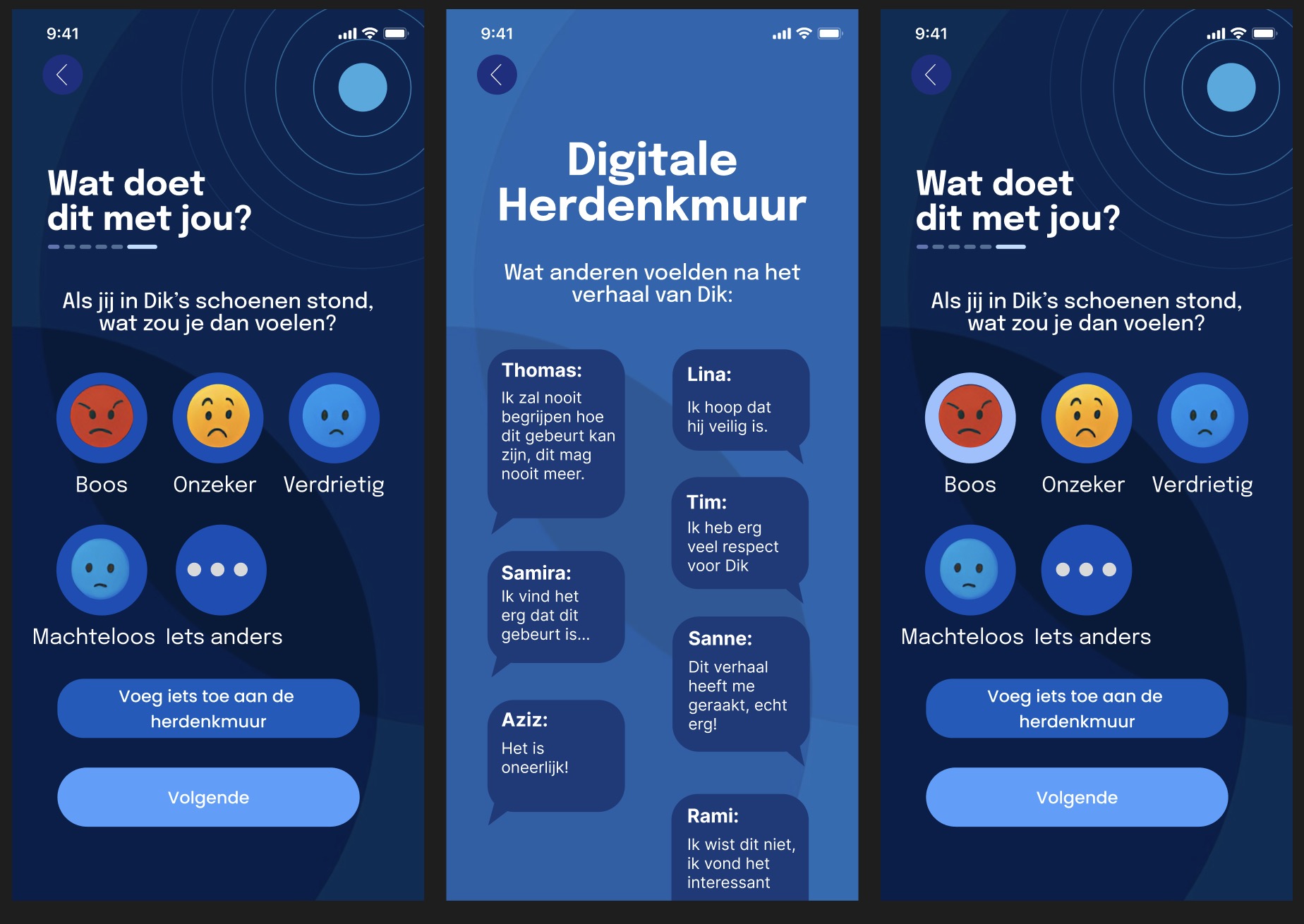
"A reward medal for a war experience felt inappropriate. The digital reflection wall feels much more respectful."
Key Design Pivots & Process
Major architectural shifts driven by user testing and feedback from the 4 & 5 May Committee.
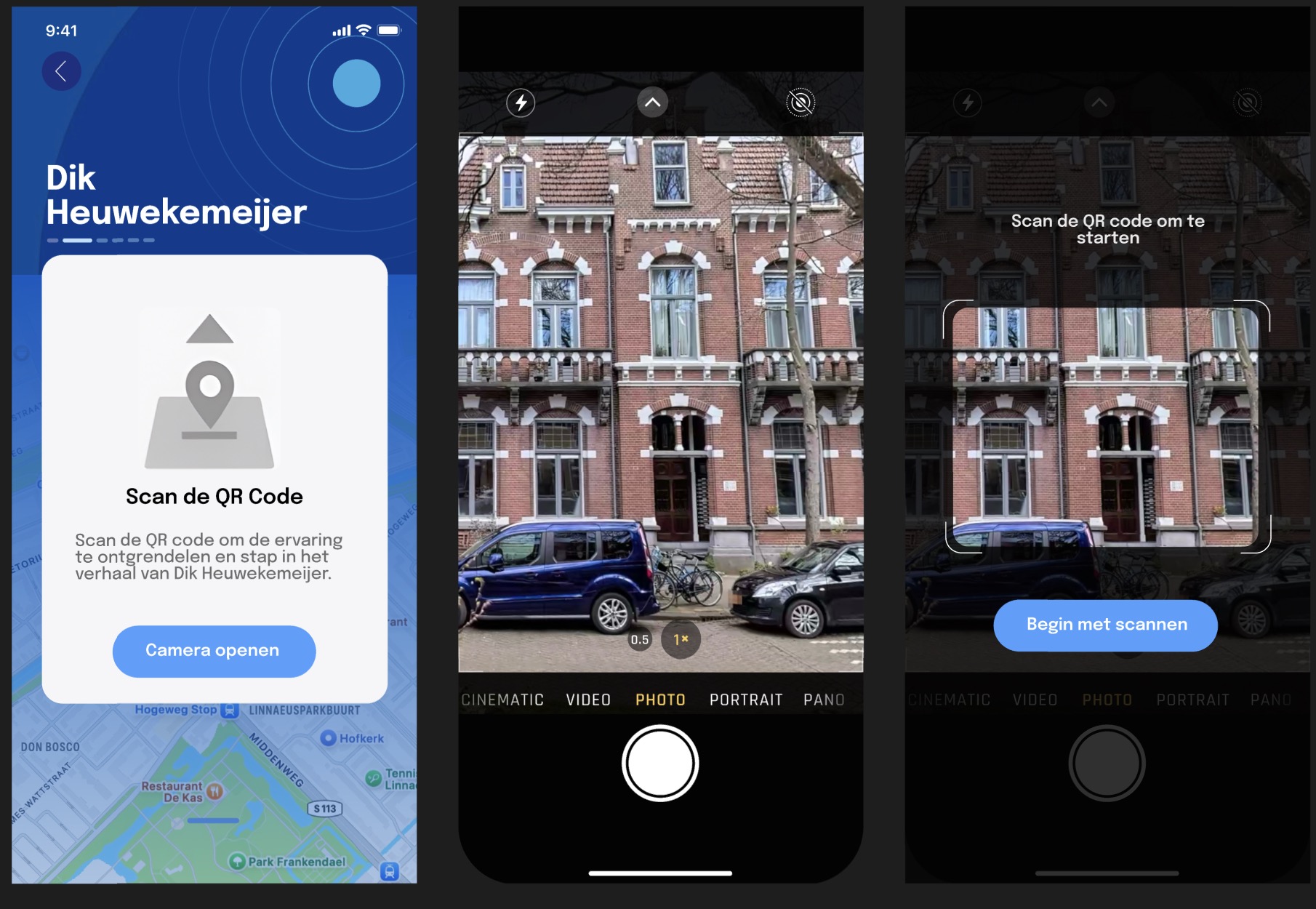
1. AR to Browser-Based QR Check-ins
Initial concepts relied on mobile Augmented Reality (AR). Testing showed AR is device-dependent, unstable, and overly gimmicky. Shifting to lightweight QR codes on location ensured 100% accessibility without friction.
2. Reward Medals to Reflection Wall
Ending the narrative with a gamified "medal" received strong critique from stakeholders for trivialising war trauma. Replacing it with an anonymous reflection wall fostered respectful, collective empathy.
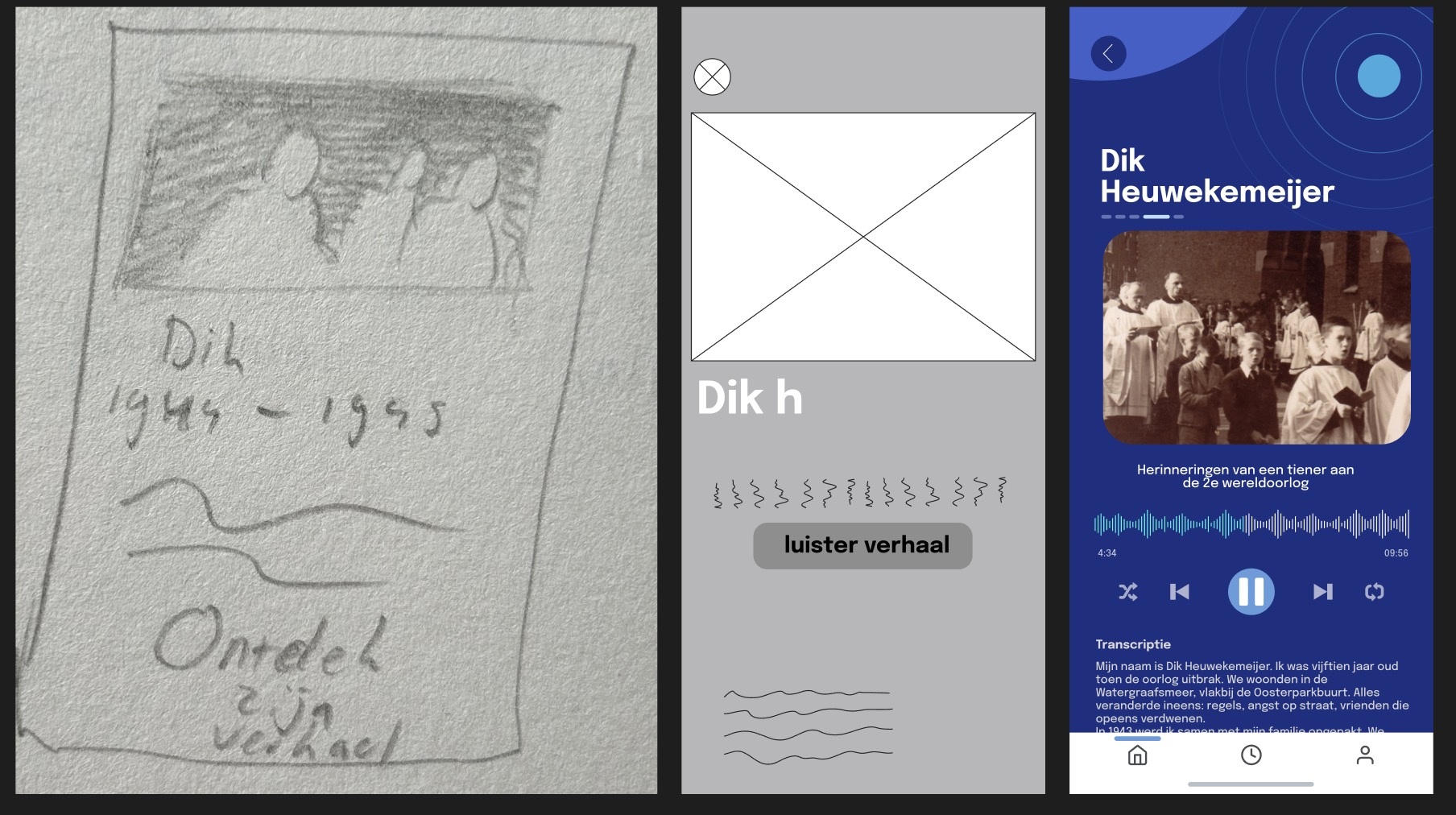
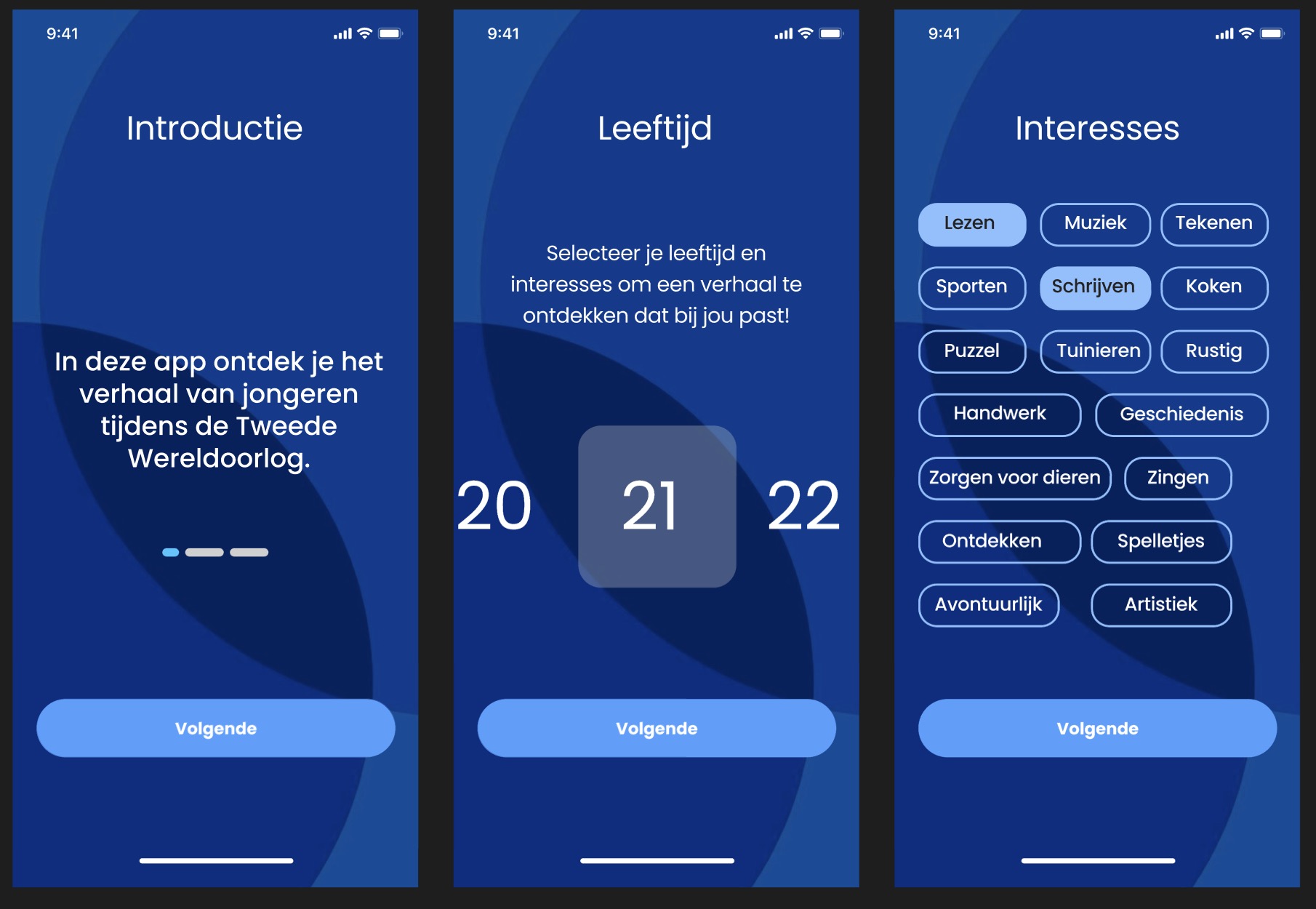
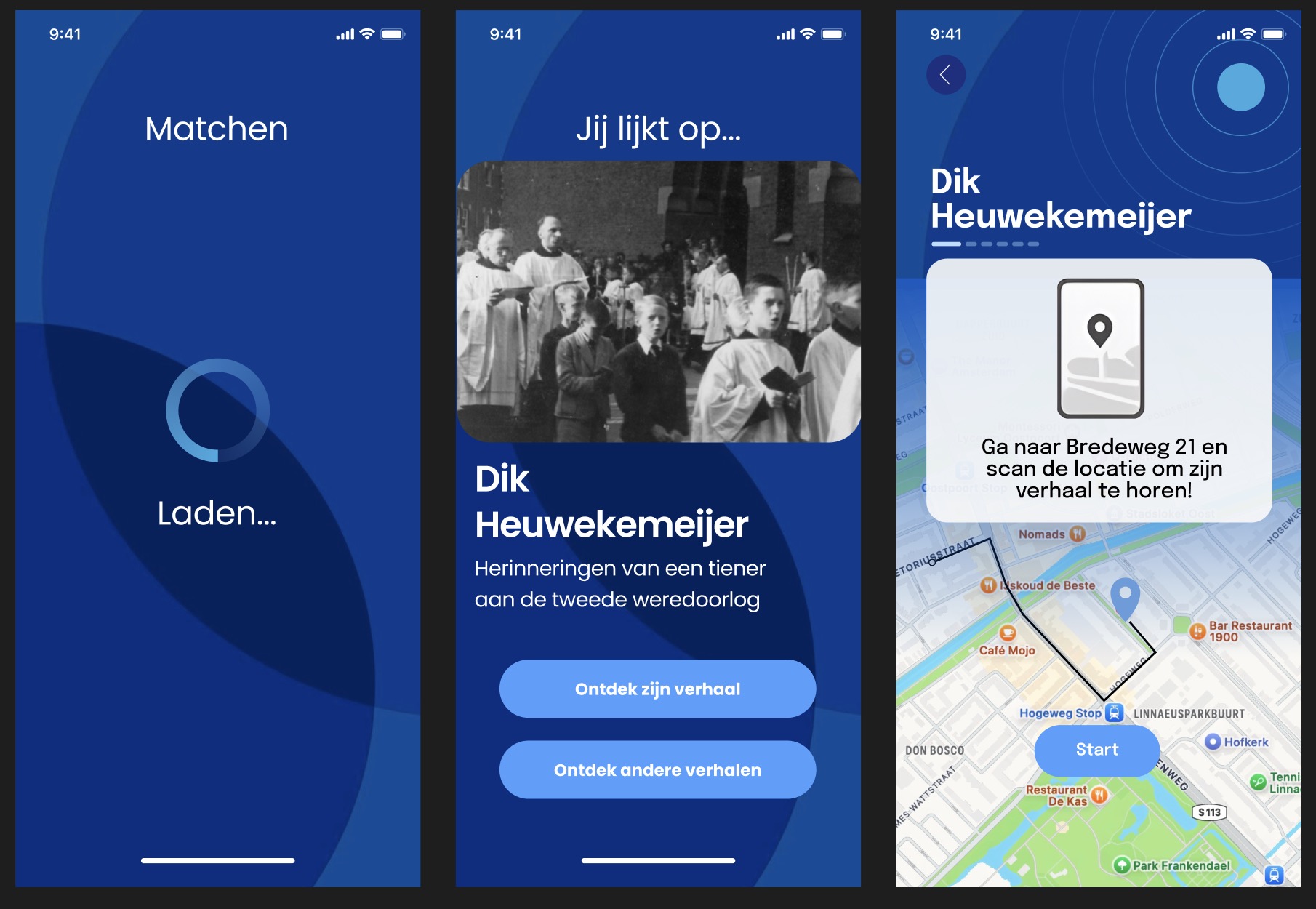
Evolution mapping: Transitioning core interactive components from initial sketches into functional design structures.
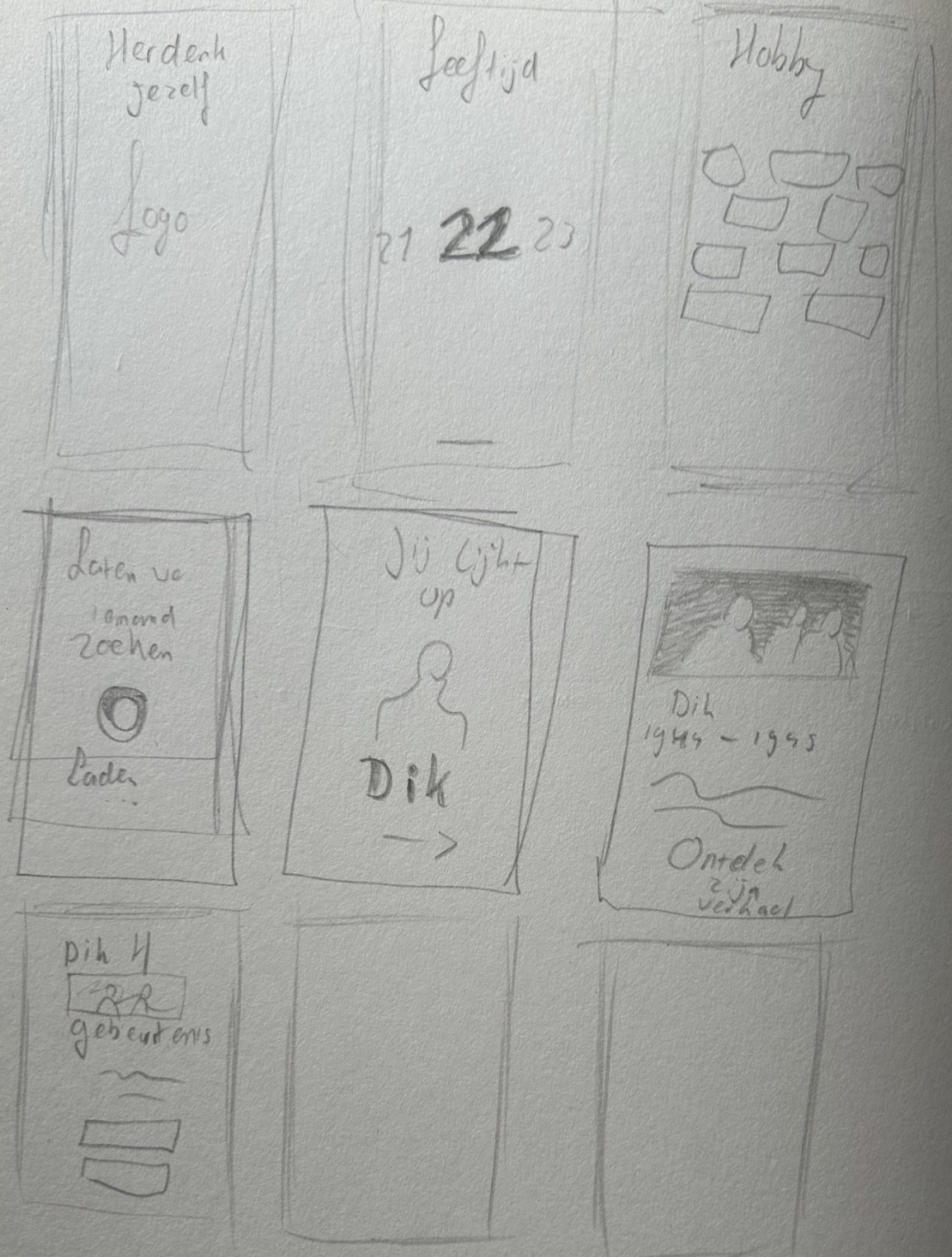
Initial Paper Sketches (Explorations)
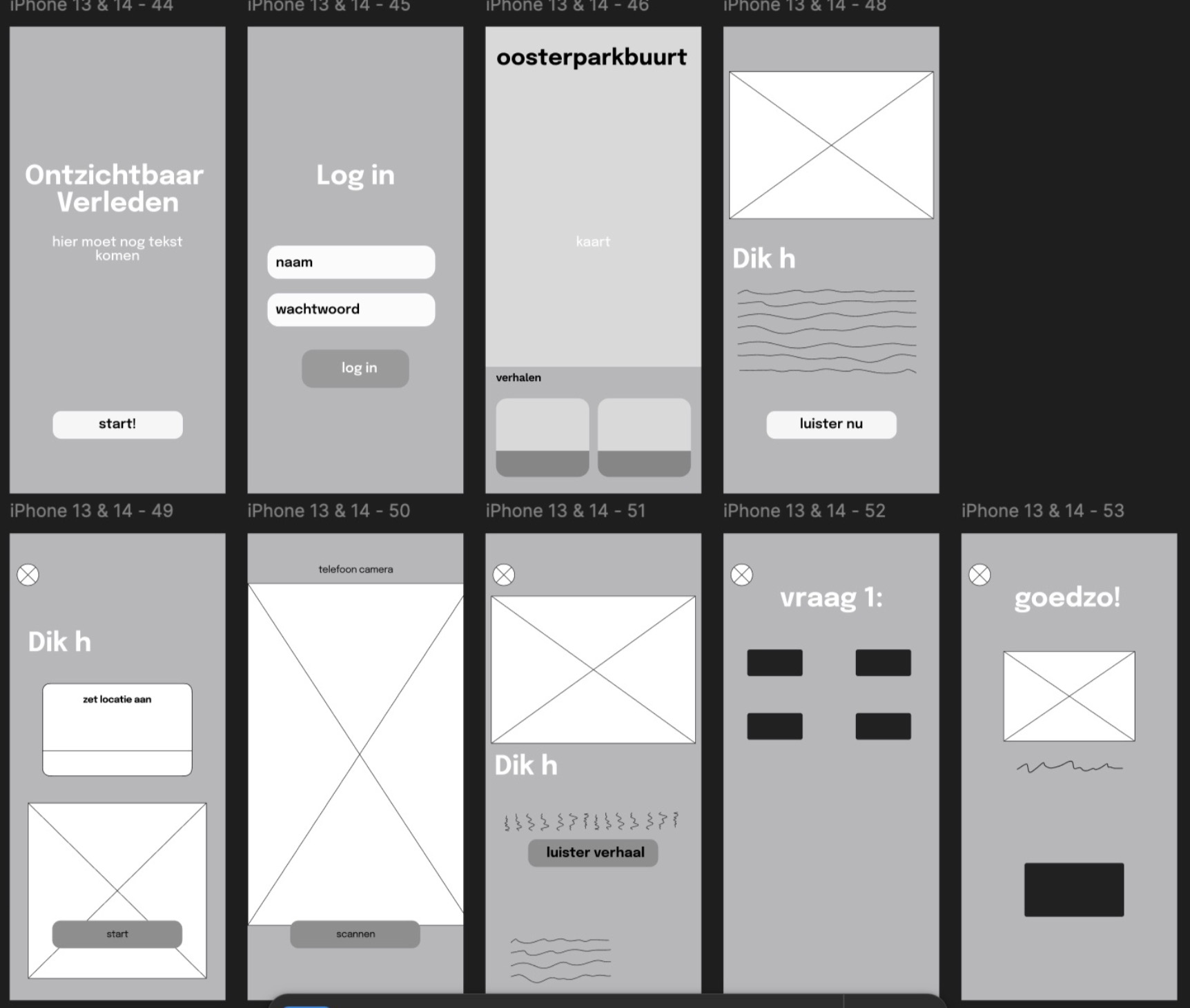
Mid-Fidelity Structural Wireframes